


- This event has passed.
Roundtable by the 92nd Street Y: Great Composer Pianists, Lecture 2 – Ludwig van Beethoven
———————————————————————————————————————————————
Join talented speaker and pianist Rachel Franklin to take a unique look at the monumental keyboard talents of four great composer/pianists, Wolfgang Amadeus Mozart, Ludwig van Beethoven, Fryderyk Chopin, and Johannes Brahms, and how that performing virtuosity influenced the piano works we enjoy today. With a legacy of printed compositions but no recordings, how can we get closer to those white-hot moments of creation when these artists poured out their genius for fortunate and astonished listeners? How did both the composer’s imagination and personal physique relate to developing piano design, and which came first? And did audiences even comprehend what they were hearing?
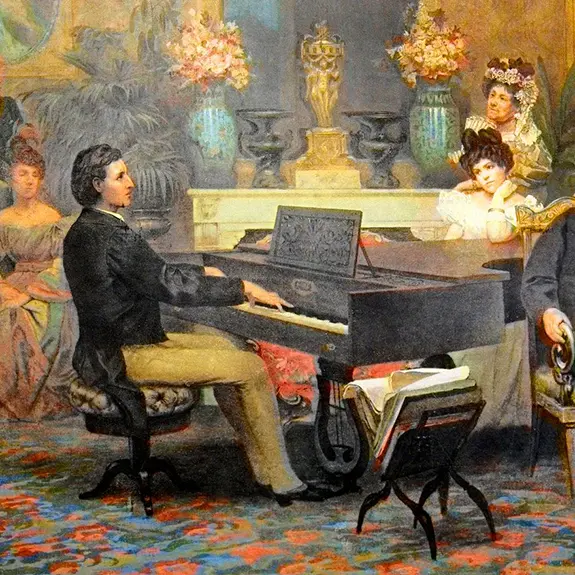
Franklin will trace Mozart’s beginnings as a harpsichord player to his pivot to pianofortes, ultimately creating new concerto styles that both dazzled and confused his audiences. Beethoven innovated entirely new piano techniques almost by accident as he fought to express his titanic ideas on the instrument while constantly harassing piano makers for stronger instruments and dealing with encroaching deafness. Chopin, meanwhile, is often romanticized as a mesmerizing performer with a revolutionary piano technique and harmony. Finally, Brahms trained intensely as a pianist and all his compositions demand a massive and highly-controlled technique. He, along with his muse Clara Schumann, taught many students whose playing was subsequently captured by early recording, allowing us a tantalizing glimpse into the performing styles of the 19th century.