


- This event has passed.
Smithsonian Associates: Jazzing the Classics – The Enduring Influence of American Jazz on Classical Music, Lecture 1 – Jazz Invades Paris, Paris Rolls Over
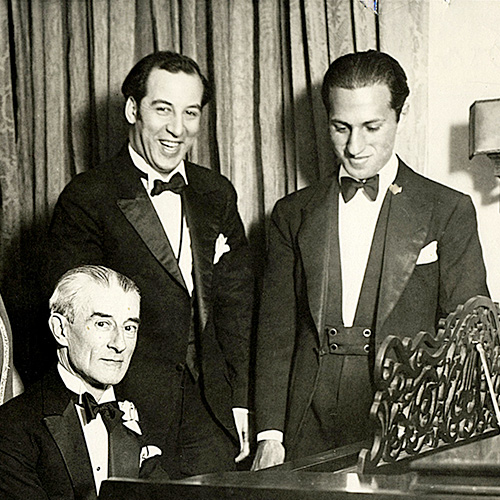
Beginning in the earliest part of the 20th century, European “art” or “classical” music enjoyed a brief but intense romance with American jazz. If its perceptions of this unique American artform were sometimes distinctly misguided, its enthusiasm made up for it. For some it was a charming caprice, for others a raucous symbol of democracy.
In a 4-session course, popular speaker and concert pianist Rachel Franklin uses her unique live piano demonstrations and historic and contemporary film clips to explore early jazz origins and how American ragtime and jazz conquered Parisian nightclubs in the feverish pre- and post-World War I era, powerfully influencing composers from Ravel to Milhaud and Stravinsky. She traces the role of jazz in the ‘20s and ‘30s as a symbol of political freedom and cultural modernity for artists such as Shostakovich, Krenek, and Walton in capitals including Moscow, Berlin, and London. She concludes in the U.S., where many composers including Aaron Copland, George Gershwin, and John Alden Carpenter used jazz as a deep source of inspiration while struggling to come to terms with its identity as a highly complex, home-grown African American artform.
British-born Franklin has been a featured speaker for organizations including the Library of Congress and NPR, exploring intersections among classical and jazz music, film scores, and the fine arts.
———————————————————————————————————————————————
“Jazz ‘er up! Broadway’s conquest of Europe!” So announced the New York Times jubilantly in 1921. It was nothing new for Parisians to amuse themselves with foreign cultural traditions, but the intoxicating syncopations and sounds of American ragtime and popular dance music had already been taking root there for several decades. Claude Debussy had been enchanted by John Philip Sousa’s marching bands, while James Reese Europe’s Black military band, the Hellfighters, mesmerized huge French crowds, adding to the disruptive energy driving works like Erik Satie’s anarchic ballet Parade.