


Roundtable by the 92nd Street Y: A Celebration of French Music: From Berlioz to Debussy and Ravel, Lecture 2 – Excess, Outrage & Virtuosity
———————————————————————————————————————————————
France is an immeasurable powerhouse of cultural achievement. Through French politics and history, philosophy, fine arts, and cuisine, our lives continue to be influenced by the Gallic vision of society. And in many ways, the history of French music is also the history of Western music. But what makes French music French? Join talented speaker and pianist Rachel Franklin on a journey through eight centuries of French music.
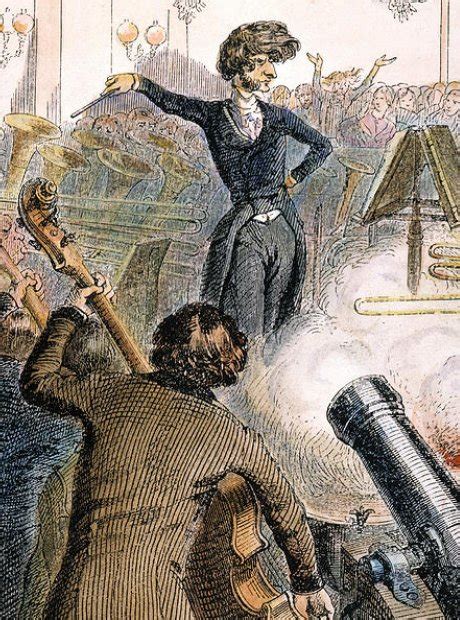
Franklin will lead students from the mysterious polyphony of medieval Notre-Dame to the revolutionary sounds of twentieth-century modernism. Together, we will explore the grandeur and elegance of the Baroque through the music of Lully, Rameau, and Couperin, then encounter the excess, spectacle, and virtuosity of nineteenth-century France in works by Berlioz, Meyerbeer, Bizet, Saint-Saëns, and Alkan. Students will follow the musical lineage from Saint-Saëns to Fauré and from Fauré to Ravel, discovering how generations of composers passed ideas, influences, and inspirations from one to another. From there, we will experience the sensuous refinement of Fauré, Debussy, and Ravel before witnessing modernism shatter established conventions through the irreverent music of Satie and Les Six. Finally, we will conclude with Olivier Messiaen, whose visionary music and profoundly moving Quartet for the End of Time occupy a singular place in twentieth-century musical history. Along the way, discover how French composers continually reinvented beauty, drama, color, and musical expression.