


Smithsonian Associates: Coming to America; European Musical Artists Meet the United States, Lecture 4 – Émigrés in America
Beethoven never made it to America, but hundreds of important musicians and composers did. From early touring megastars like Paderewski—who traveled in his own private Pullman car—to successful refugee émigrés such as Rachmaninoff, America has been drawing renowned musical talents since well before its Declaration of Independence. Dvorák directed a music conservatory in New York; Korngold wrote scores for Hollywood; Tchaikovsky marveled at the warmth of American hospitality; and Schoenberg played tennis regularly with Gershwin.
In a unique course, popular speaker and concert pianist Rachel Franklin explores the siren call of America to musicians throughout the world.
British-born Franklin has been a featured speaker for organizations including the Library of Congress and NPR, exploring intersections among classical and jazz music, film scores, and the fine arts.
———————————————————————————————————————————————
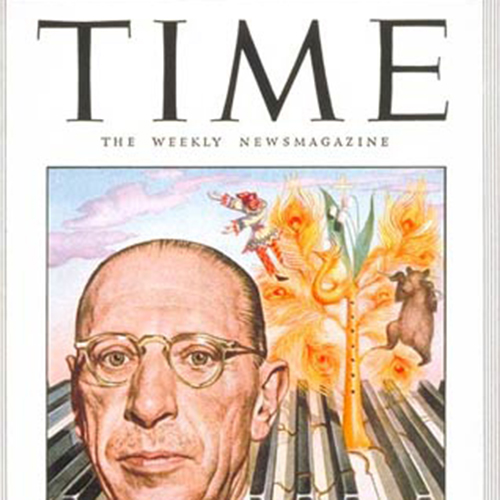
In the early 20th century, Europe experienced a mass exodus of artists and musicians escaping the horrors of Soviet oppression and Nazi persecution. Among them were some of the greatest composers of their time— Rachmaninoff, Stravinsky, Korngold, Bartók, Milhaud, Schoenberg, and many others. Some of these composers struggled in a new world while others built brilliant new careers here. Each of them shared their genius with America and left an indelible mark on an evolving culture that welcomed and absorbed their great gifts. Works featured include excerpts from Korngold’s film scores, Bartok’s Concerto for Orchestra, Stravinsky’s Ebony Concerto written for Benny Goodman, and music by Rachmaninoff, Kurt Weill, and others.