


Smithsonian Associates: Music Inspired by the Natural World, Lecture 2 – Heavenly Marvels
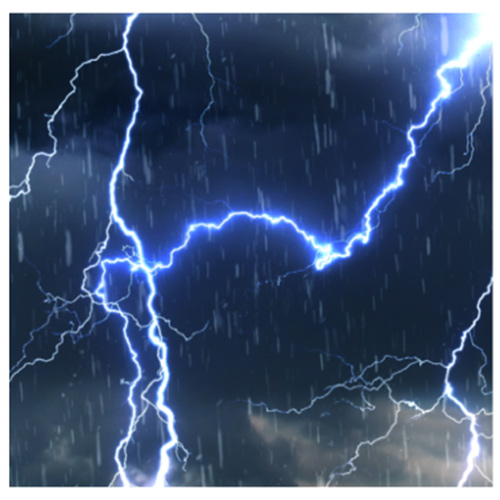
A painter can create entire worlds on a flat piece of paper. But where is a composer to start when seeking to represent the natural universe through sound? Centuries of exquisite nature-inspired concert works show just how well it can be done through direct imitation, allegory, and symbolism. Over time, composers have fashioned powerful musical vocabularies that guide listeners to see harmony as visual image.
In a 4-session course, popular speaker and concert pianist Rachel Franklin uses her unique live piano demonstrations and fascinating film clips to explore how such masters as Beethoven, Mahler, Wagner, Vivaldi, Holst, Vaughan Williams, Saint-Saëns, and countless others composed beloved works that conjure the natural world.
British-born Franklin has been a featured speaker for organizations including the Library of Congress and NPR, exploring intersections among classical and jazz music, film scores, and the fine arts.
———————————————————————————————————————————————
Franklin begins with perhaps the most greatly loved example of the natural world in concert music, Beethoven’s 6th Symphony, the “Pastoral.” Both allegorical and descriptive, it creates an entire earthly landscape of peasants and animals, harvesting, stormy weather, and golden sunlit fields. Following this triumph, other composers such as Richard Strauss and Gustav Mahler led the way with further symphonic panoramas of mountainous and mystical terrains. Franklin also explores many representations of weather and seasons by Vivaldi, Rachmaninoff, Berlioz, Janácek, Milhaud, Barber and more.